Jesus' Great Compassion Leads Laborers Forth, Matthew 9:35-38, Acts 1:1-8

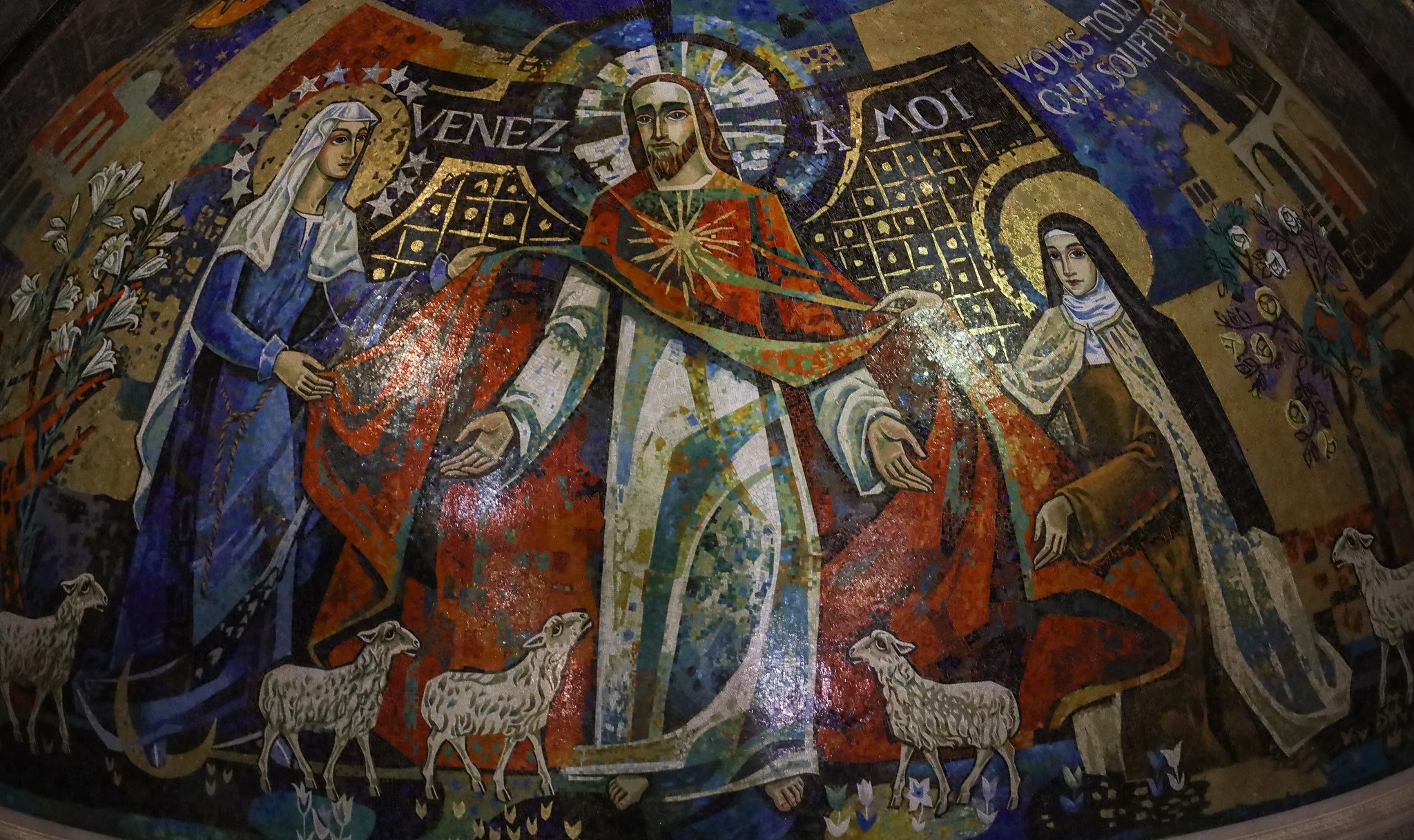
When Jesus is healing and teaching in the Gospel of Matthew, we hear of his looking upon the crowds with compassion and calling upon his disciples to pray for God the Father to raise up laborers to go into this harvest of people who need the Good Shepherd. This passage is part of our readings for World Mission Sunday and reminds us that as we pray for laborers, the Lord can call us into the very work we are praying for.

Image: Sent to Sheep without a Shepherd, picture by Lawrence OP, CC BY-NC-ND 2.0, no changes made. Image location: https://www.flickr.com/photos/paullew/50003858018/
The Foolishness of the Beatitudes, Matthew 5:1-12

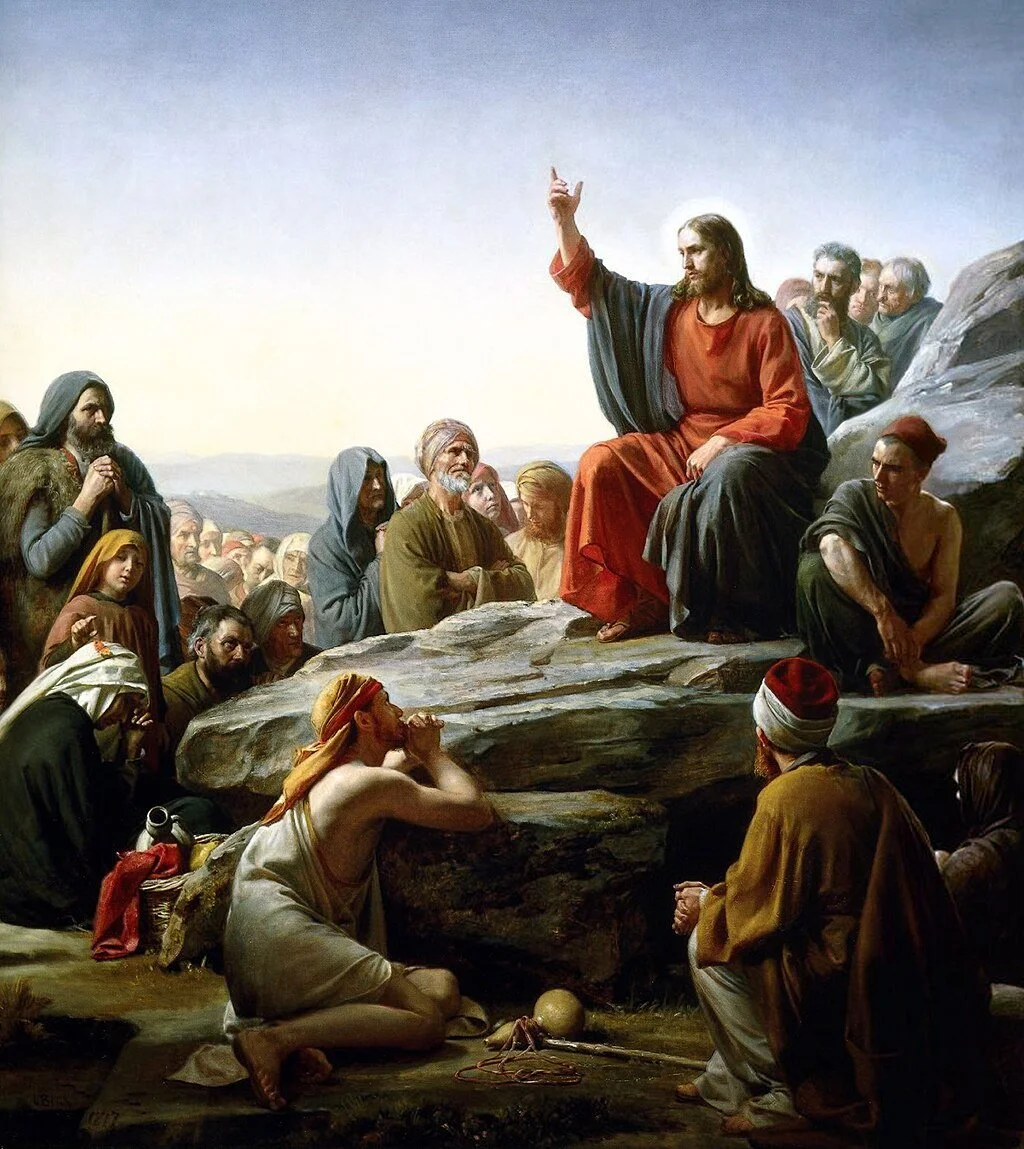
Often when we hear the Beatitudes, we are given a picture of them being a step by step process to becoming holy or as ways that we are supposed to behave or think in order to get God’s blessings. However, they are really something all believers have in Christ because he is the one who has lived a life that reflects them and we get the blessing that was always with Christ!

Image: Carl Bloch, Public domain, via Wikimedia Commons

From Compassion to Repentance to Following, Matthew 4:12-22

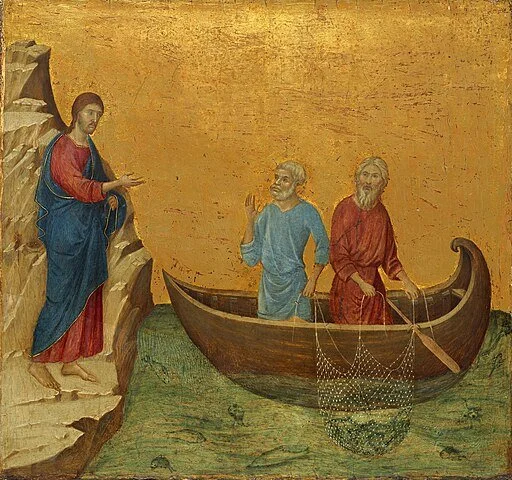
When Jesus begins his public ministry, he starts in the town of Capernaum after John the Baptist has been arrested. Why start here? Is there something unique about this place? How does Matthew’s reference to Isaiah 9 help us? Father Jeremiah walks us through this amazing moment in his sermon today.

Image: Duccio di Buoninsegna, Public domain, via Wikimedia Commons.

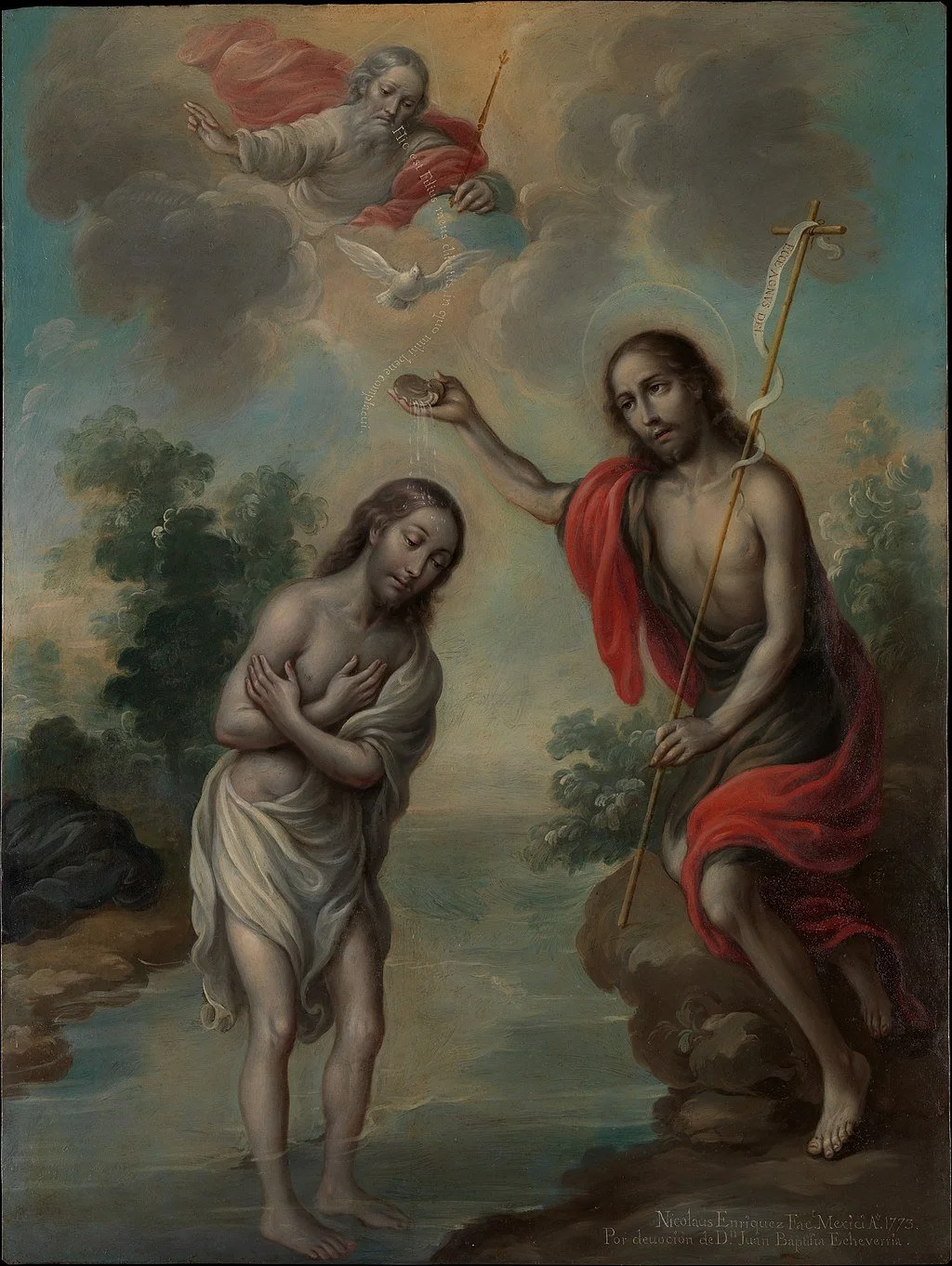
Your Baptism Matters Because of Jesus, Matthew 3:13-17

When Jesus was baptized by John in the Jordan River, he changed the meaning and the blessings of John’s baptism. As we are baptized into Christ, we receive the blessings of him being our representative and our substitute. Through that union with him, we receive life and salvation from the Father because the Spirit of God comes to be with us and we are adopted. We can now rejoice in the goodness and mercy of God the Father because Jesus was baptized and transformed baptism to be a gift and blessing to us.

Image: The Baptism of Christ, Nicolás Enríquez, CC0, via Wikimedia Commons

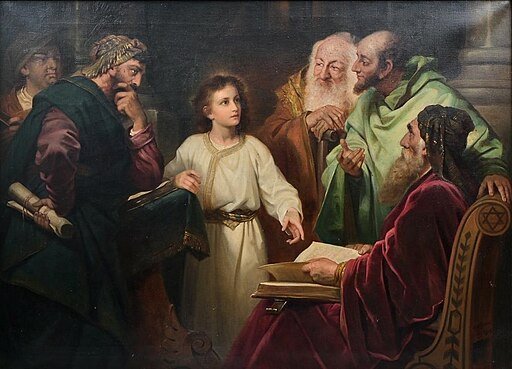
All the Blessings in Christ, Ephesians 1:3-14, Luke 2:41-52

In Ephesians 1, we hear from St. Paul of various spiritual blessings that are bestowed upon us through our union with Christ. Even the Holy Spirit himself is given to us on account of who Jesus is! Alongside that we hear of Jesus being in the Temple when he was twelve years old and amazing the teachers there of his understanding. What have these two things to do with each other? It all turns on the reality that all that Christ did is gifted to us that we might stand before the Father in Christ himself.

Image: Christ in the Temple, Heinrich Hofmann, Public domain, via Wikimedia Commons. Photo taken by Elke Walford.

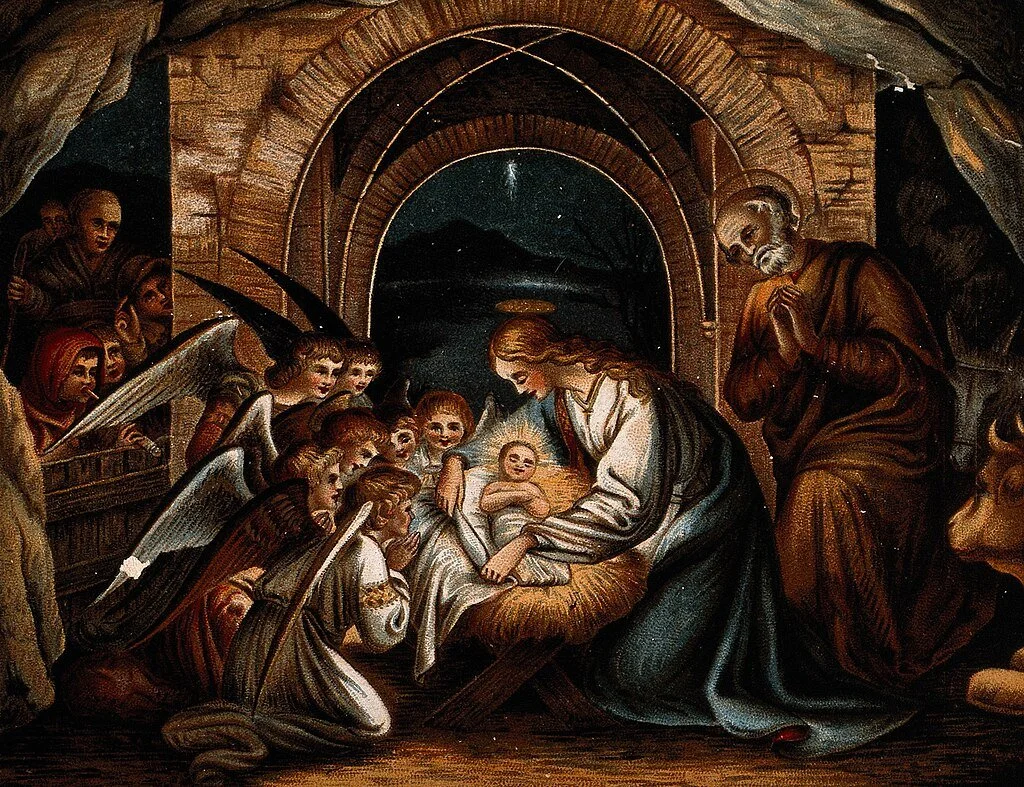
Why Do the Angels Sing?

One of the greatest hymns for Christmas is Hark the Herald Angels Sing. In this hymn, Charles Wesley reminds us of the heavenly reality of where Jesus comes from, that he is God incarnate for us and that through him, our sin nature can be overcome. This beautiful hymn is the basis of Father Jeremiah’s sermon for the First Sunday of Christmas.

Image: See page for author, CC BY 4.0 <https://creativecommons.org/licenses/by/4.0>, via Wikimedia Commons

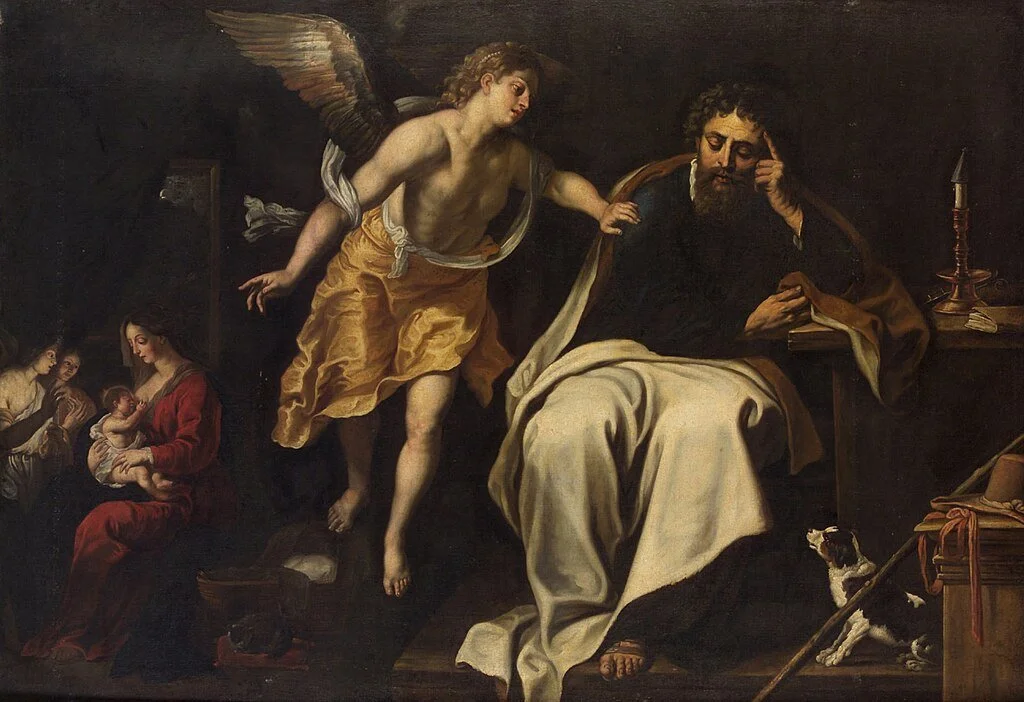
Quiet Faithfulness in Our Work, Matthew 1:18-25

We don’t always think about St. Joseph very deeply at Christmas. Yet, he is an important part of the whole story. He was called by God the Father to raise Jesus as his son and to take care of him and Mary throughout his days. And then he vanishes from the text. His faithfulness was quietly executed and completed. What do we make of this? What can we do to reflect this kind of faithfulness?

Image: Gerard Seghers, Public domain, via Wikimedia Commons

Patience that Leads to Joy, Matthew 11, Isaiah 35, James 5

John the Baptist sends his disciples to ask Jesus if he is the one to come. John has found himself imprisoned while pursing obedience to the Lord. He has also wanted his disciples to leave him and follow Jesus. What are we to make of John’s question? Is he question Jesus’ messiahship? Or is he wanting his own disciples to hear from Jesus’ lips what he is doing? Either way, we are given encouragement to know the work of the Lord and how he continues to work in our own lives to change and renew us while we await his coming.

Image: The Beheading of St. John the Baptist, Pierre Puvis de Chavannes, Public domain, via Wikimedia Commons

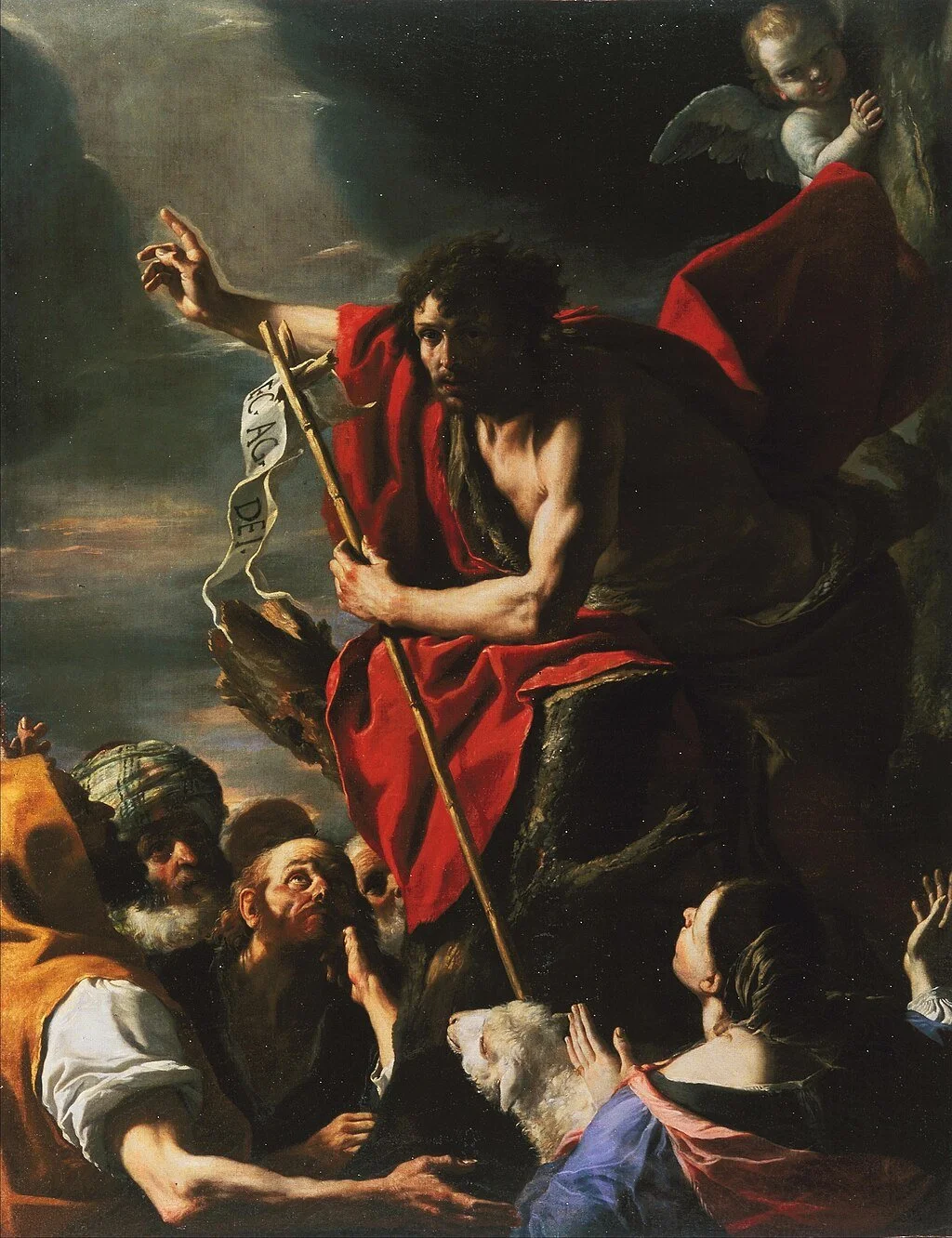
Repent for the Coming King, Isaiah 11, Matthew 3, Romans 15

When John the Baptist went out preaching repentance and baptism, even Pharisees and Sadducees took notice. They came out to hear him and to be baptized. But he called them out calling them a brood of vipers and wanting to know who warned them to flee the wrath to come! Many think that John is utterly rejecting them, but he is making sure they understand what they are doing. They think they are righteous, so why would they need repentance? But if they need repentance, then they are not really righteous! We need to be wary ourselves of thinking we are good to go in this life and must continually return to this call of repentance and need to bear fruit that reflects our repentance.

Image: St. John the Baptist Preaching, Mattia Preti, Public domain, via Wikimedia Commons

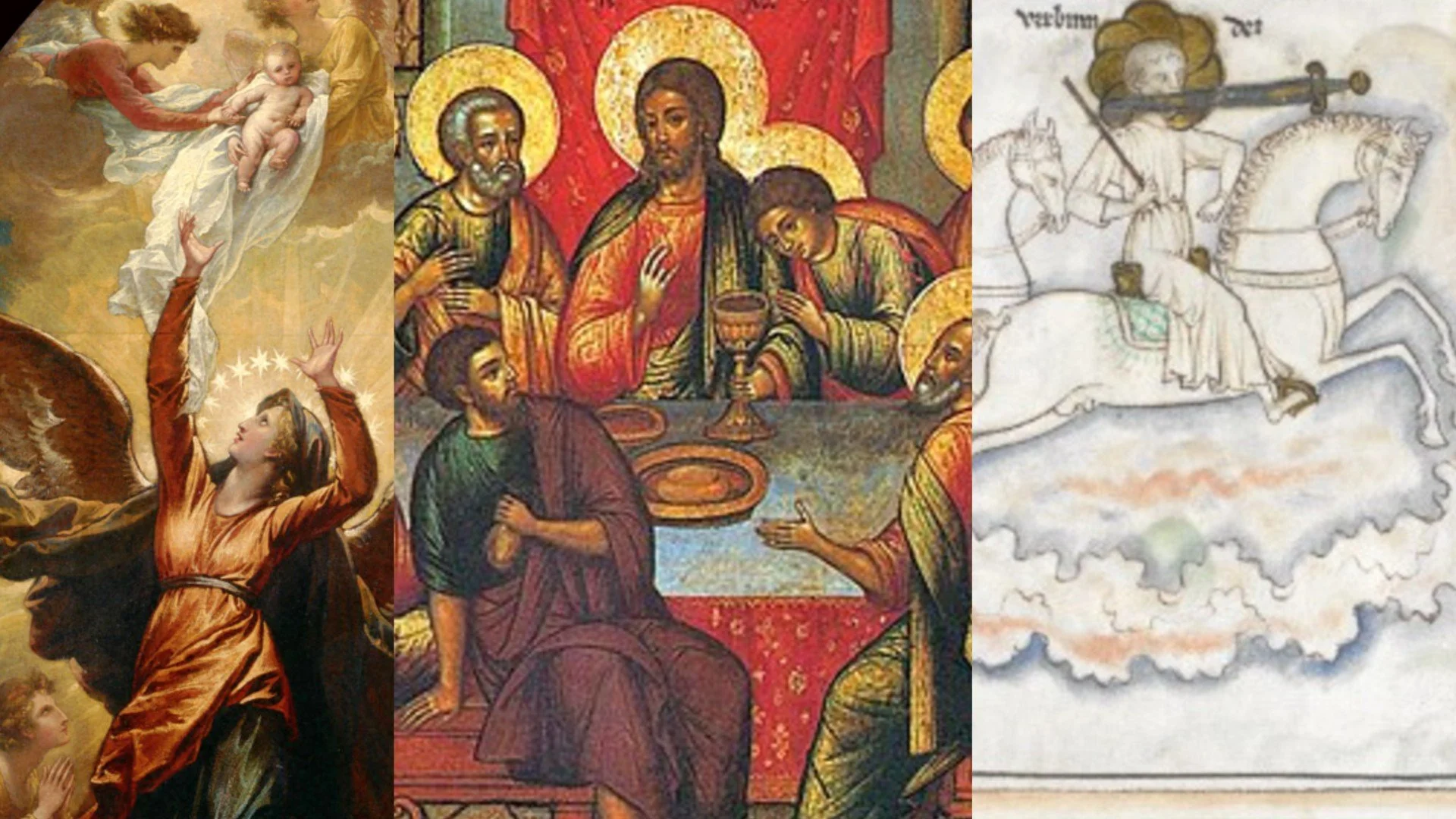
Waiting On Advent, Isaiah 2, Matthew 24, Romans 13

As we enter this time of Advent, we are reminded that we are called to wait on Christ during this season. We are to turn with repentant hearts toward preparing for his coming at Christmas, in the future, and even now through Word and Sacrament. Christ comes to us continually to make us ready to receive him and celebrate his birth and to continue to await his return when he brings about the resurrection of the dead.

Image: Combination of images taken from Wikipedia, all in the public domain. They can be found at the following links:

https://commons.wikimedia.org/wiki/File:Simon_ushakov_last_supper_1685.jpg
https://commons.wikimedia.org/wiki/File:Apocalypse_-_BL_Add_MS_35166_f023v.jpg
https://commons.wikimedia.org/wiki/File:1797,_West,_Benjamin,_The_Woman_Clothed_with_the_Sun_Fleeth_from_the_Persecution_of_the_Dragon.png

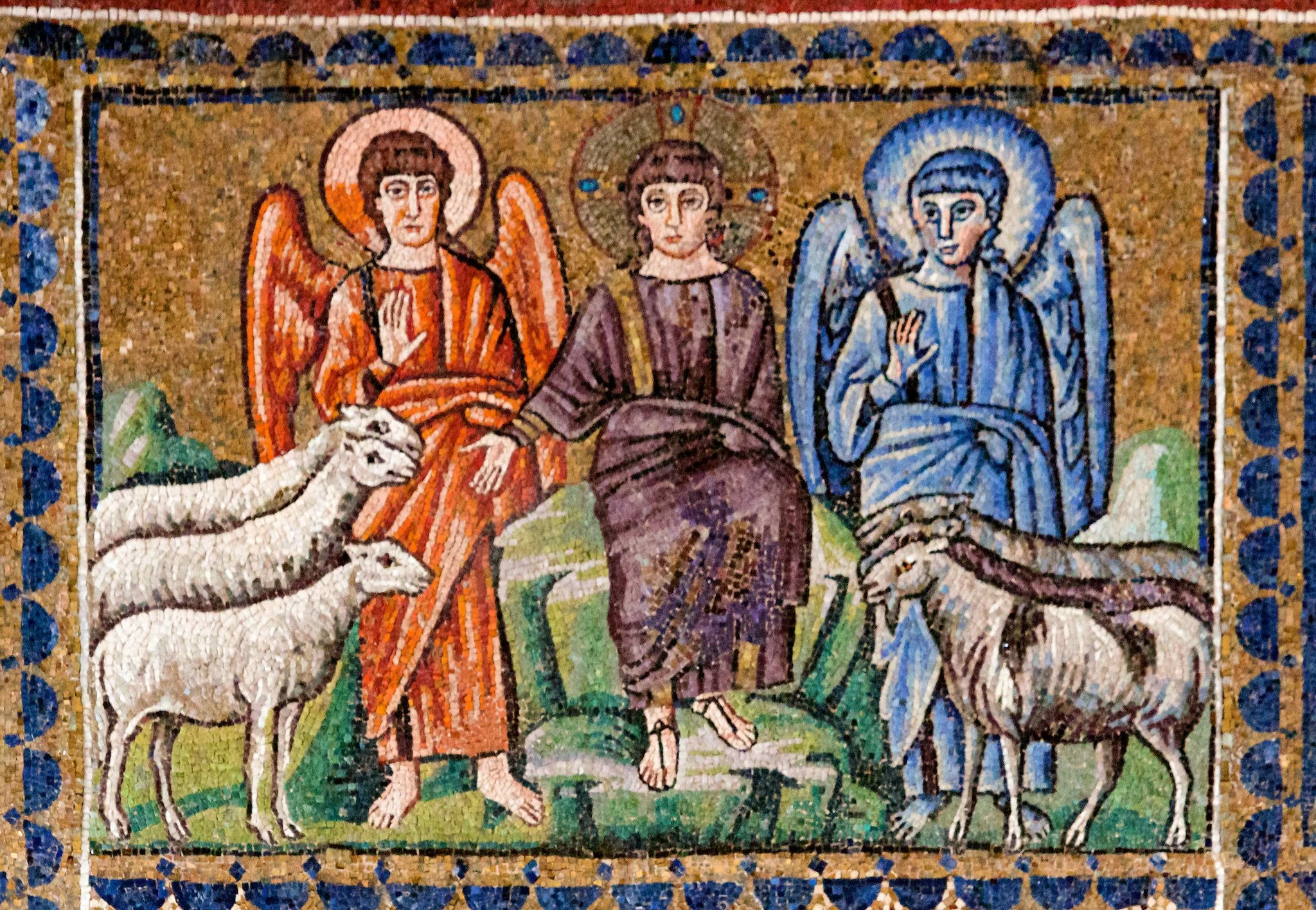
Where History is Headed, Matthew 25.31-46

In this picture of the Last Judgment, Jesus speaks to those who served him in the least of his brothers and those who didn’t. What does this reveal about judgment? What does this reveal about how closely we identify with Jesus?

Image: Last Judgment (Ravenna), photo by Jim Forest, no changes made, CC BY-NC-ND 2.0. Image location: https://www.flickr.com/photos/jimforest/6052391843

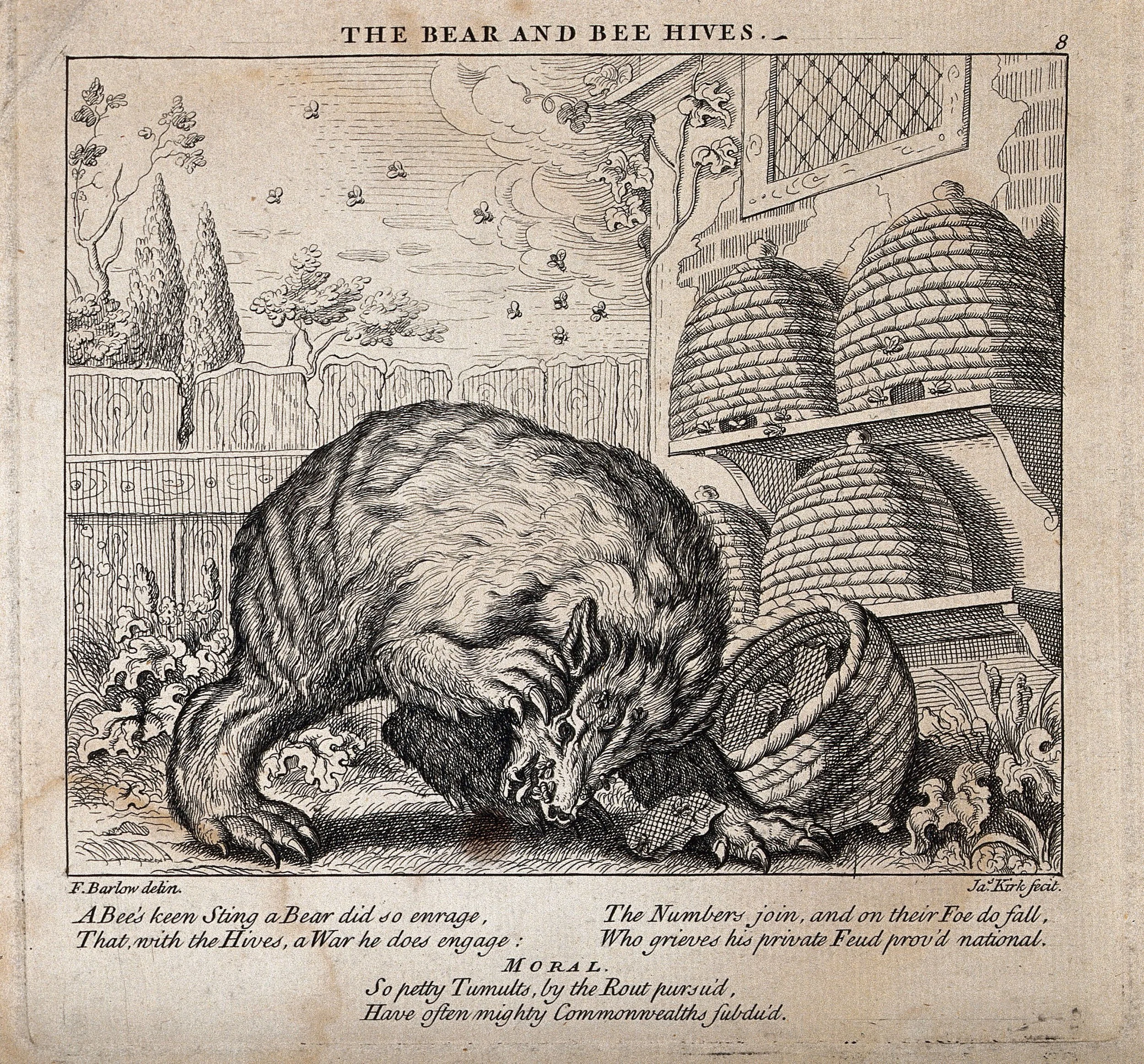
Future Hope for Present Change, Luke 21:5-19

Jesus speaks of wars, tumults, earthquakes, and diseases as well as persecutions for his followers. All of these things are what has been taking place since his death and resurrection throughout the world around us. What are we to make of that? How should we live in the midst of these things around us? What is our anchor into the future renewal of all things and how does knowing of the future return of Jesus and the resurrection affect us in the here and now?

Image: A bear has overturned a beehive and is attacked by bees, etching by J. Kirk after F.Barlow for a fable by Aesop, public domain. Image Location: https://wellcomecollection.org/works/b43wpm8n/images?id=aa6gc5ct

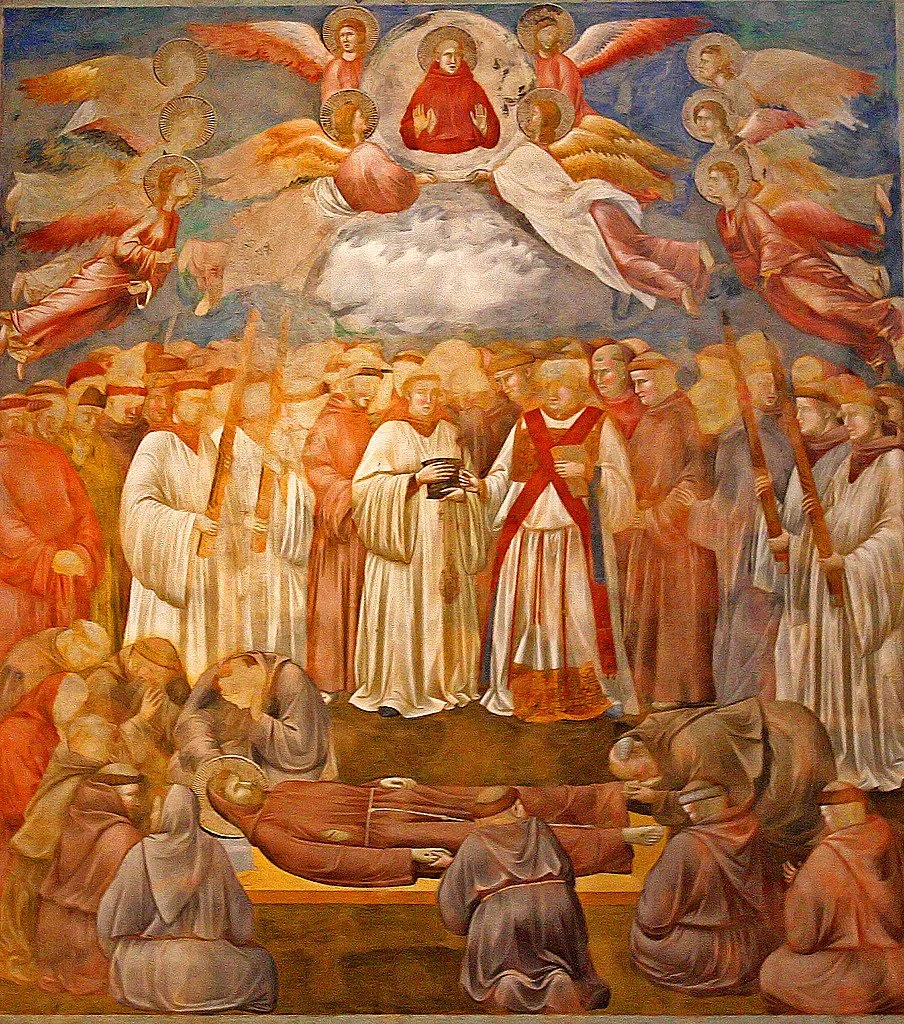
Heavenly Minded for the Resurrection, Luke 20:27-38

Jesus is asked an absurd question by the Sadducees about the resurrection. Instead of answering their question, he redirects them because they have a false understanding of what the resurrection is actually like. When we don’t understand the reality of continuity and discontinuity of the resurrected and glorified state, we miss the opportunity to grow in our faith and grow in the virtuous life we have been called to through the transforming work of Jesus in us.

Image: Death and Ascension of Saint Francis, Giotto, photo by Frans Vandewalle, license: CC BY-NC 2.0 (no changes made). Image location: https://www.flickr.com/photos/snarfel/5189845942/in/photostream/

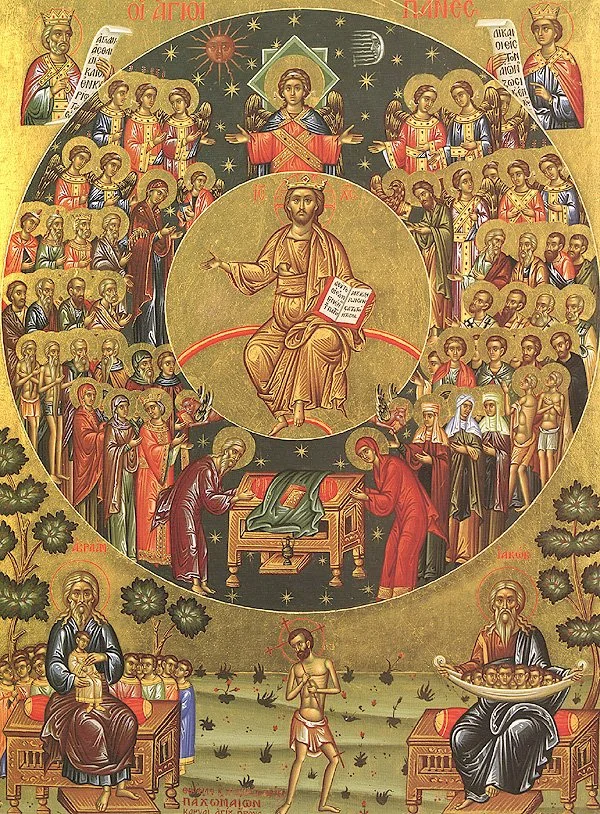
Belonging to God as a Saint, Revelation 7, Ephesians 1

All Saints’ Day is an old feast day within the Church. It hasn’t always been on November 1, but that is where it has been for 1300 years now. Why do we celebrate such a day? Why remember the saints and commemorate the work of those long dead? It’s because they are not truly dead, but live in Christ awaiting the resurrection! The works they did, whether known or unknown, are works that have paved the way for us today to be saints. So we remember them because without them, we wouldn’t be here.

Image: Neznani slikar, Public domain, via Wikimedia Commons

A Pharisee, a Tax Collector, and the Atonement, Luke 18:9-14

When Jesus told the parable of the Pharisee and Tax Collector, there was a great deal packed into it. The Pharisee was certainly believing in his own righteousness, but what does the tax collector mean when he asks for mercy? When we ask for mercy, we aren’t merely asking God to overlook our sins, we are asking for an atonement that will truly cover over our misdeeds and enable us to be in his presence forever.

Image: The wub, CC0, via Wikimedia Commons.

The Heel-Grabber, the Widow, and the Slumberless God Who Blesses, Genesis 32, Luke 18:1-18

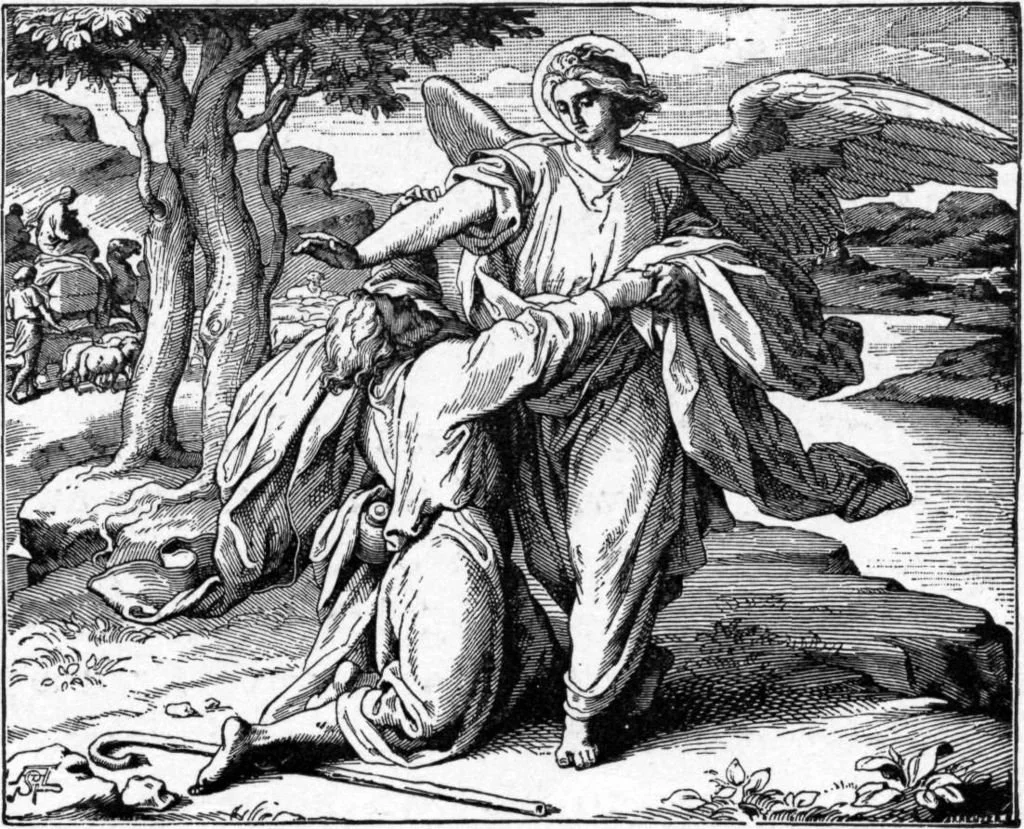
Jacob wrestles with God. The Widow wrestles for justice. The slumberless God seeks to bring blessings to his people. This is the reality that we are confronted with in our various texts this Sunday. How do we wrestle with them and be drawn near to a God through our own prayers?

Image: Illustrators of the 1897 Bible Pictures and What They Teach Us by Charles Foster, Public domain, via Wikimedia Commons

Faith for Prayer, Obedience, and Thanksgiving, Luke 17:11-19

Jesus’ healing of the 10 lepers is an amazing moment that leads us to reflect on sickness of soul that we have and how he calls forth trust in his work for us. When we pray in faith, he calls us forward into the world to do his will, leading us to turn back and give thanks for his healing hand upon us.

Image: Gebhard Fugel, Public domain, via Wikimedia Commons. Image location: https://commons.wikimedia.org/wiki/File:Gebhard_Fugel_Christus_und_die_Auss%C3%A4tzigen_c1920.jpg

The Beam of Light of Faith, Luke 17.5-10

As Jesus is teaching his apostles, they cry out for an increase in faith. What causes such a prayer to come from their lips? How does one actually find an increase of faith? How does humility and love of God undergird this increase? Father Jeremiah considers all of this as he turns our eyes from analyzing what our faith looks like to simply looking along the beam of light God has given us in Jesus Christ.

Image: 06-05-11 - Beams of Light, taken by Lynda Giddens License: CC BY-NC-SA 2.0 (No changes made), Image Location: https://www.flickr.com/photos/s_v_p/5806065837/